
Maglutide vs Tirzepatide: Which GLP-1 Is Right for You?
Hemyrx Team
Cotent Editor
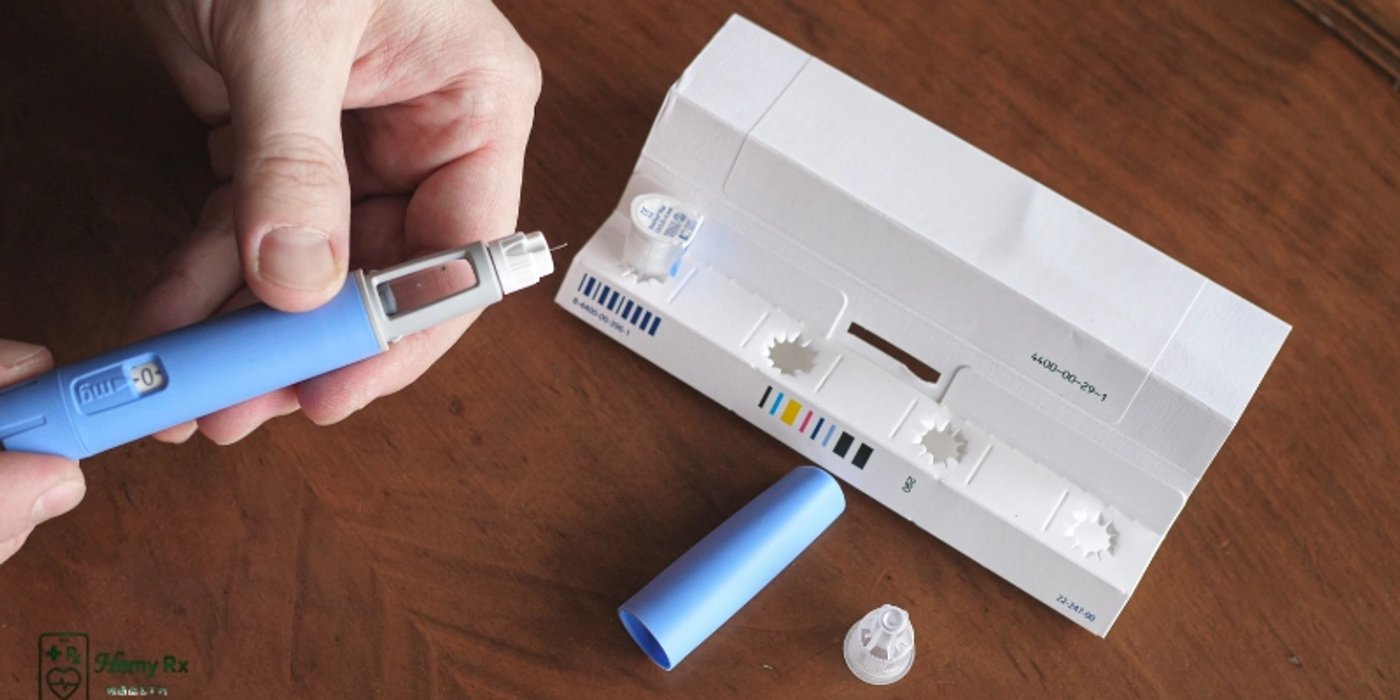
Semaglutide vs tirzepatide compared: weight loss results, side effects, dosing and cost. See which GLP-1 a clinician may recommend for you.
Semaglutide and tirzepatide are both weekly injectable medications that lower appetite and support weight loss, but they are not identical. Semaglutide acts on one hormone pathway (GLP-1), while tirzepatide acts on two (GIP and GLP-1) and produces more average weight loss in head-to-head trials. Tirzepatide reduced body weight by about 20 percent at the top dose, against roughly 15 percent for semaglutide. The right choice depends on your goal, tolerance, and what a clinician approves for you.
What is the difference between semaglutide and tirzepatide?
Semaglutide and tirzepatide are prescription medications approved for chronic weight management in adults with obesity or overweight plus a related health condition. Semaglutide is a single GLP-1 receptor agonist, sold as Wegovy for weight loss and Ozempic for type 2 diabetes. Tirzepatide is a dual GIP and GLP-1 receptor agonist, sold as Zepbound for weight loss and Mounjaro for diabetes. Both are taken as a once-weekly injection under the skin. The core difference is the number of hormone pathways each drug activates, which is the main reason their average results differ.
The two drugs share a class but not a mechanism count. Semaglutide mimics one gut hormone, glucagon-like peptide-1, which slows stomach emptying and reduces hunger signals in the brain. Tirzepatide adds a second hormone, glucose-dependent insulinotropic polypeptide, on top of the GLP-1 action. The U.S. Food and Drug Administration approved Wegovy for chronic weight management in June 2021 and Zepbound in late 2023. Both approvals require use alongside a reduced-calorie diet and increased physical activity, not as a standalone fix.
How do semaglutide and tirzepatide work in the body?
Semaglutide works by copying GLP-1, a hormone the gut releases after eating. The drug slows how fast the stomach empties, steadies blood sugar, and signals fullness to the brain, so most people eat less without constant willpower. The effect builds over weeks as the dose increases. Because food moves through the stomach more slowly, many patients feel satisfied on smaller portions. The result is a steady calorie deficit that drives gradual fat loss when paired with the diet and activity changes a clinician builds into a medically supervised weight loss plan.
Tirzepatide adds a second signal. Alongside the GLP-1 action that semaglutide provides, tirzepatide also activates the GIP receptor, another hormone involved in appetite and how the body handles fat and sugar. The dual action appears to improve appetite control and metabolic response beyond GLP-1 alone, which helps explain the larger average weight loss seen in trials. According to the National Institute of Diabetes and Digestive and Kidney Diseases, prescription weight-management medications work best as part of a long-term plan, and both drugs are studied for use over many months, not a few weeks.
Which causes more weight loss, semaglutide or tirzepatide?
Tirzepatide causes more average weight loss than semaglutide in clinical trials. In the SURMOUNT-1 trial, adults on the highest tirzepatide dose lost about 20.9 percent of their body weight over 72 weeks. In the STEP-1 trial, adults on semaglutide 2.4 mg lost about 14.9 percent over 68 weeks. A 2025 head-to-head trial that compared the two drugs directly found tirzepatide produced greater weight loss than semaglutide across the study. The gap is real, but individual results vary widely, and many people reach a meaningful goal on either medication.
The numbers below frame what the two drugs delivered in their main weight-management trials. Trial averages are not promises, and the lower-dose results matter because not everyone tolerates or needs the maximum dose.
| Factor | Semaglutide (Wegovy) | Tirzepatide (Zepbound) |
|---|---|---|
| Drug class | GLP-1 receptor agonist (single) | GIP + GLP-1 receptor agonist (dual) |
| Average weight loss, top dose | ~15% over 68 weeks (STEP-1) | ~21% over 72 weeks (SURMOUNT-1) |
| Top maintenance dose | 2.4 mg weekly | 15 mg weekly |
| Administration | Once-weekly injection | Once-weekly injection |
| FDA weight approval | June 2021 | November 2023 |
For most patients the practical takeaway is that tirzepatide tends to deliver a larger average reduction, while semaglutide has a longer real-world track record and a wider supply history. A clinician weighs both against your medical profile.
How do the side effects of each medication compare?
Side effects of semaglutide and tirzepatide are mostly gastrointestinal and broadly similar because both act on the GLP-1 pathway. The most common are nausea, diarrhea, vomiting, constipation, and stomach discomfort, especially in the first weeks and after each dose increase. In trials, these effects were usually mild to moderate and eased over time. Slow dose titration over several months is the main strategy clinicians use to limit them. Most patients who stop treatment for side effects do so early, before reaching the higher doses where weight loss peaks.
Serious risks are uncommon but real, and they apply to both drugs. Pancreatitis, gallbladder problems, and a boxed warning about thyroid C-cell tumors seen in rodent studies appear in the labeling for this drug class. People with a personal or family history of medullary thyroid carcinoma or multiple endocrine neoplasia type 2 should not use either medication. Patients in our online weight-loss program most often ask which drug causes less nausea, and the honest answer is that tolerance is individual, so a clinician adjusts the plan based on how your body responds.
How are semaglutide and tirzepatide dosed and injected?
Both medications are self-administered as a once-weekly injection under the skin of the abdomen, thigh, or upper arm. Semaglutide for weight loss starts at 0.25 mg weekly and steps up over about 16 to 20 weeks toward the 2.4 mg maintenance dose. Tirzepatide starts at 2.5 mg weekly and titrates up in stages toward 5, 10, or 15 mg. The slow climb is deliberate. Starting low and increasing gradually gives the digestive system time to adjust and keeps nausea manageable while the appetite effect takes hold.
Dose timing is flexible but consistent. Each drug is taken on the same day each week, with or without food, and a missed dose has a defined window for catch-up that the prescribing clinician explains. Patients who travel or have needle anxiety often raise these points first, and our online treatment process covers injection training before the first dose ships. The goal is steady weekly dosing, because skipping weeks blunts both the appetite control and the weight result.
What does each cost, and can you get them online?

Cost depends on the brand, the dose, your insurance, and whether a compounded option is available, so a single sticker price rarely applies. Brand-name Wegovy and Zepbound carry high list prices, though manufacturer savings programs and insurance coverage change what patients actually pay. Compounded versions were widely used during the 2023 to 2024 shortages, but availability tightened after the FDA declared the shortages resolved, which limits when compounding is legally permitted. A licensed clinician confirms which option fits your situation, and our online weight loss program reviews coverage and supply before recommending a route rather than assuming the cheapest one is available.
Online weight-loss treatment makes both medications accessible without an in-person visit in many states. A typical path starts with an online assessment, a licensed clinician reviews your history, and if appropriate, the prescription ships discreetly to your door. You can start a private online assessment to see whether you qualify and which medication a clinician recommends. The convenience matters most for a treatment taken weekly for many months, where regular follow-up keeps the plan safe and on track.
Which GLP-1 is right for you?
The right GLP-1 medication depends on your weight-loss goal, your tolerance for side effects, your medical history, and what your clinician can safely prescribe. Someone aiming for the largest possible average reduction may lean toward tirzepatide, while someone who values a longer real-world track record or has tolerated semaglutide before may prefer it. Insurance coverage and current supply also shape the decision, because the best drug on paper is the one you can actually obtain and stay on consistently for the full course.
No comparison replaces a clinical assessment. A safe choice weighs your blood sugar, other medications, history of pancreatitis or thyroid disease, and personal goals together. Our physician-guided GLP-1 program matches each patient to the medication a licensed clinician judges appropriate, then adjusts the dose based on response. Picking a GLP-1 is a medical decision made with a provider, not a product chosen from a shelf.
When should you talk to a clinician first?
Talk to a clinician before starting either medication if you have a history of pancreatitis, gallbladder disease, severe gastrointestinal problems, or diabetic eye disease, and never use these drugs if you have a personal or family history of medullary thyroid cancer or MEN 2. Seek urgent care for severe, persistent abdominal pain that may radiate to the back, which can signal pancreatitis, or for signs of an allergic reaction such as swelling or trouble breathing. These medications are powerful tools, and honest screening keeps them safe.
GLP-1 weight management at HemyRx
HemyRx is a direct-to-consumer telehealth provider that connects patients with licensed U.S. clinicians for prescription weight management and five other conditions. The process is private by design: an online assessment, a clinician review of your history, and discreet shipping if treatment is approved. The brand also treats hair loss and other conditions, but weight management is one of its two priority programs. Care continues after the first prescription, with follow-up built into the plan.
Clinical credibility drives the brand. Every weight-management plan at HemyRx is reviewed by a licensed clinician, dosing follows the manufacturer titration schedule, and patients receive injection guidance before the first dose. The team does not promise a fixed number on the scale, because honest medical care sets realistic expectations and adjusts to how each person responds over the months a GLP-1 course requires.
Frequently Asked Questions
Is tirzepatide better than semaglutide for weight loss?
Tirzepatide produced more average weight loss than semaglutide in clinical trials, roughly 21 percent versus 15 percent at top doses, and a 2025 head-to-head study favored tirzepatide. Better on average does not mean better for everyone. Tolerance, cost, supply, and your medical history all factor in, so a clinician decides which fits you.
Can I switch from semaglutide to tirzepatide?
Many patients switch between GLP-1 medications, but only under clinician guidance. A provider sets a safe starting dose for the new drug rather than matching your old dose directly, since the two are not interchangeable milligram for milligram. Switching is common when results stall or side effects are hard to manage.
Do semaglutide and tirzepatide have the same side effects?
Both share mostly gastrointestinal side effects such as nausea, diarrhea, constipation, and vomiting, because both act on the GLP-1 pathway. Symptoms are usually mild to moderate and ease with slow dose increases. Serious risks, including pancreatitis and a thyroid tumor warning, apply to both and require screening before treatment.
How long do I need to stay on a GLP-1 medication?
GLP-1 medications are treatments for a chronic condition, not short courses. Many people lose weight over 12 to 18 months, and stopping often leads to partial regain because appetite signals return. A clinician reviews whether to continue, adjust, or taper based on your results and health, usually as a long-term plan.
Can you get semaglutide or tirzepatide online?
Yes, licensed telehealth providers can prescribe both after an online assessment and clinician review, then ship the medication discreetly in many states. Online care suits a weekly, months-long treatment that needs regular follow-up. A clinician still confirms you qualify and selects the medication and dose that fit your history.
Final thoughts
Semaglutide and tirzepatide are both effective weekly injectable treatments for weight management, with tirzepatide showing larger average weight loss in trials and semaglutide carrying a longer real-world record. The better choice is individual, shaped by your goal, tolerance, history, cost, and supply. Both work only alongside diet and activity changes, and both require clinician oversight to use safely over the many months a course takes.
The next step is a clinical assessment, not a guess. If you want a licensed clinician to review your history and recommend the right medication and dose, start with the HemyRx GLP-1 weight loss program and take the online assessment today.