
Why Is My Hair Falling Out? Causes, Signs & What to Do
Dr. Patrick Ryan, D.O.
Founder & Chief Medical Officer, HemyRx
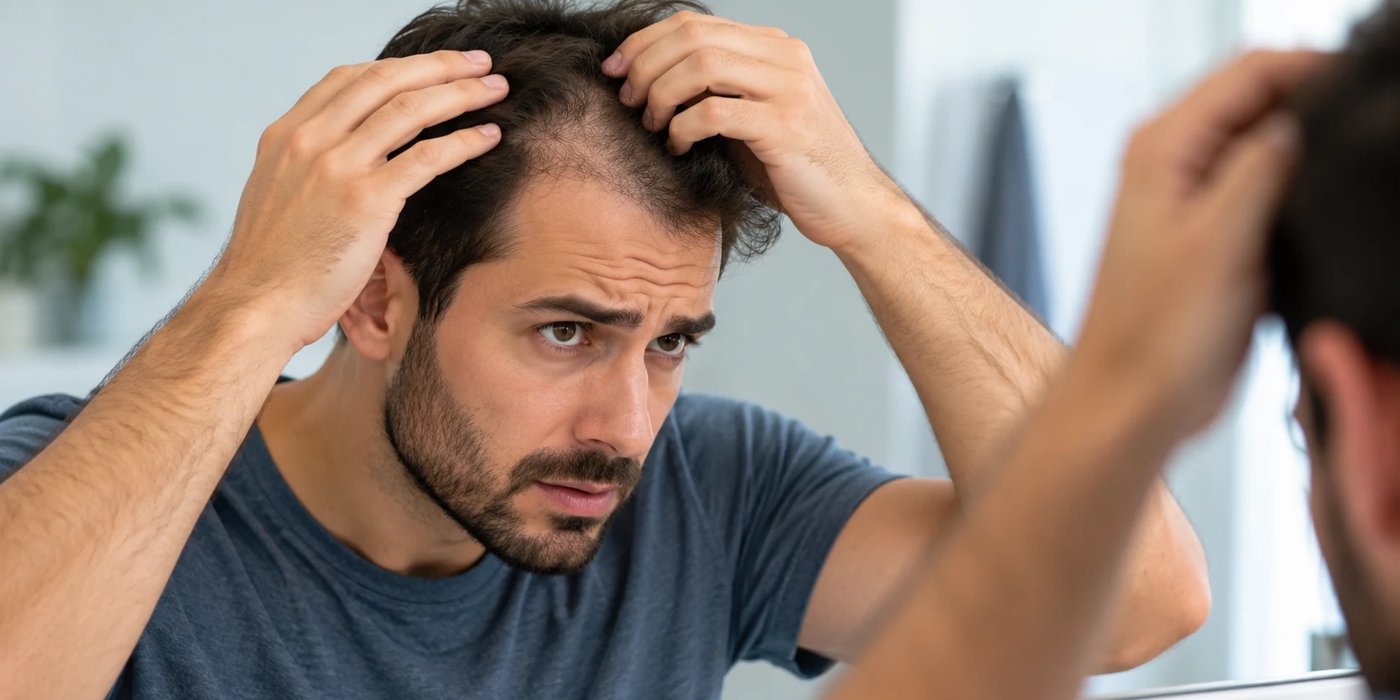
Why is my hair falling out? Learn common causes of shedding and thinning, what the signs may mean, and when to seek professional advice for hair loss.
Hair can fall out because of stress, illness, hormones, genetics, nutrition, medicines, or styling. Changes such as a widening part, receding hairline, or bald patches may need evaluation.
Notice when shedding began, where it occurs, and whether your scalp feels irritated. These clues help a clinician but cannot establish a diagnosis.
KEY FACTS — HAIR LOSE
• Losing about 50–100 hairs a day can be normal.
• Stress, illness, family history, hormones, and hair care can affect shedding.
• Sudden bald patches or painful scalp changes deserve medical assessment.
• The right treatment depends on the cause.
Is It Normal for Hair to Fall Out Every Day?
Yes. Hair grows in cycles, and the American Academy of Dermatology says shedding about 50–100 hairs daily is common. The number you notice varies with washing, brushing, and hair length.
Watch for changes from your normal pattern, such as a smaller ponytail, a widening part, or more hair in the shower.
Hair Shedding vs. Hair Loss: What Is the Difference?
Hair shedding means older hairs are leaving the scalp as part of the growth cycle. After a major physical or emotional stressor, more hairs than usual can enter the resting phase and shed a few months later. This temporary increase is often called telogen effluvium.
Hair loss can also happen because hair follicles produce progressively finer hairs, stop growing normally, become inflamed, or are repeatedly damaged. Hereditary pattern hair loss often develops gradually, unlike the widespread shedding that sometimes follows illness or major stress.
You can have shedding and another form of hair loss at the same time. A clinician may ask when the change started and whether it affects the whole scalp or only certain areas.
What Are the Most Common Reasons Your Hair Is Falling Out?
1. Stress or a Recent Illness
A stressful event, fever, surgery, or illness can disrupt the normal hair cycle. The shedding may not begin until two or three months afterward, so the trigger is easy to overlook. For many people it improves as the body recovers, although persistent stress or an ongoing condition can change the picture.
2. Family History and Gradual Hair Thinning
If relatives have experienced a receding hairline or thinning across the crown, genetics may be involved. Hereditary pattern hair loss often progresses slowly. In some people the hairline changes first; in others, the part becomes wider or the overall density decreases. The pattern matters, but a family history alone does not prove the cause.
3. Hormonal Changes
Hair may shed more noticeably after childbirth or around other major hormonal changes. Thyroid disorders can also affect hair growth. If you have other changes in your health, such as persistent fatigue or changes in your menstrual cycle, mention them during an evaluation rather than assuming the hair issue is cosmetic.
4. Nutrition and Rapid Weight Change
Not getting enough of certain nutrients, or losing weight rapidly, can sometimes contribute to increased shedding. This does not mean everyone with hair loss needs supplements. Taking high doses without checking for a deficiency may be unhelpful or harmful. A clinician can assess whether your eating pattern or health history suggests a nutritional problem.
5. Medicines and Medical Conditions
Some medicines and medical conditions can affect hair growth. The timing may offer clues, especially after a new treatment begins, but do not stop a prescribed medicine because of suspected hair loss. Discuss any concerns with the clinician who prescribed it.
6. Scalp Conditions and Patchy Hair Loss
Sudden round patches, scalp scaling, redness, or irritation can occur with certain scalp or immune-related conditions. These symptoms need a proper evaluation. Photos can document changes, but some causes require a closer examination or testing.
7. Tight Hairstyles, Heat, and Hair Breakage
Repeated tension from tight braids, extensions, or pulled-back hairstyles can damage hair over time. Excessive heat and chemical processing may make strands break. If you are seeing shorter snapped hairs rather than full-length strands, breakage may be part of the problem. Gentle handling and less tension can help reduce avoidable damage.
Can Hair Grow Back After It Falls Out?
Sometimes. Hair lost after a temporary trigger may regain fullness as the growth cycle settles. Other conditions, including hereditary pattern hair loss, may continue without appropriate management. Some inflammatory or scarring forms of hair loss need timely care because follicle damage can be lasting.
Regrowth depends on the underlying cause, how long it has been present, and individual factors. No shampoo, supplement, or online treatment can promise the same result for everyone.
When Should You See a Doctor About Hair Loss?
Seek professional advice if you notice rapidly progressing thinning, sudden bald patches, a receding hairline that concerns you, or excessive shedding that continues. Scalp pain, redness, sores, scaling, or other new symptoms are additional reasons for assessment.
An in-person appointment may be needed to examine the scalp or check for an underlying condition. If you have concerns about a medication, contact the prescribing clinician rather than changing treatment on your own.
How HemyRx May Help With Hair Loss Concerns
HemyRx offers online consultations for certain hair-loss concerns. Its process includes a symptom and medical-history intake, scalp photos, and physician review. The clinician can discuss next steps when appropriate. A virtual review cannot replace every examination or test. Sudden patches, scalp pain, or a suspected health condition may require in-person care; prescriptions are not guaranteed. You can read about HemyRx hair loss treatment and review how HemyRx consultations work before deciding whether an online assessment fits your situation.
Frequently Asked Questions
Can Stress Make My Hair Fall Out?
Yes. Major stress can trigger increased shedding, sometimes months after the stressful period. But stress is not the only possible cause, so ongoing or unusual changes should be assessed.
Why Is My Hair Thinning but I Have No Bald Spots?
Gradual thinning across the scalp or a widening part may reflect hereditary pattern loss or widespread shedding. Photos, medical history, and sometimes an examination help clarify the cause.
Will My Hair Grow Back After Shedding?
Hair often regains fullness after temporary shedding resolves, but the timeline varies. Some types of hair loss require treatment, and certain forms can cause lasting changes. The cause is the most important factor.
Should I Start Hair Loss Medicine Immediately?
Not before understanding the likely cause and checking whether a medicine is appropriate for you. A clinician can discuss benefits, limitations, and possible risks after reviewing your history.